
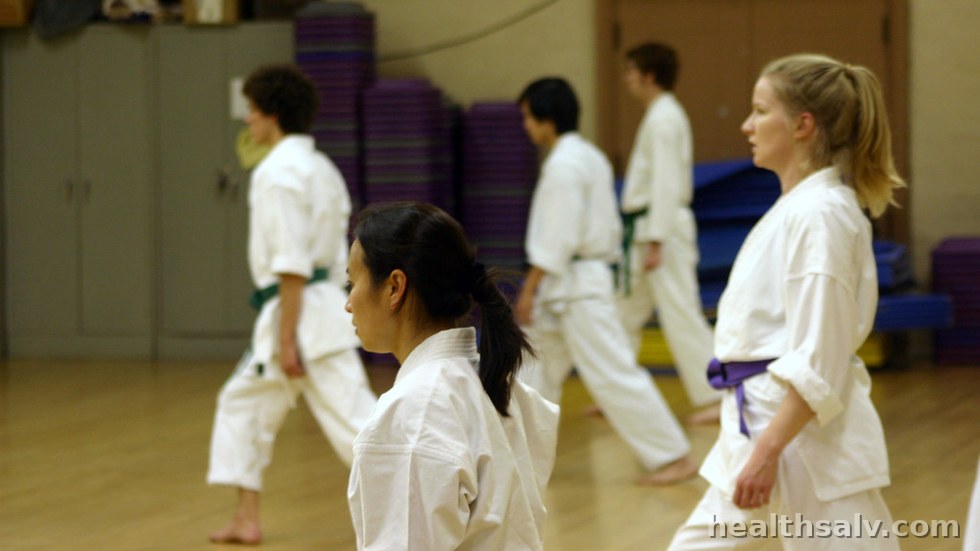
Whether your goal is to train with more confidence or simply to enjoy your sessions more, the same foundations apply, and they are easier to build than most people expect. There is no single right way to approach karate kata beginners, but there are several wrong ones, and this guide helps you steer around them.
Coaches often say that karate kata beginners is simple to understand and slow to master, and that gap is exactly where most beginners get stuck. The short answer is that karate kata beginners rewards steady habits far more than occasional big efforts, and this guide walks through those habits one by one. Readers weighing this up often compare notes with Karate Sparring Basics: Distance, Timing and Control, which looks at a closely related choice.
Table of Contents
- Karate Kata Beginners Basics: What to Learn First
- How Karate Kata Beginners Works in Practice
- Common Mistakes in Karate Kata Beginners and How to Avoid Them
- Gear, Setup and Practical Choices for Karate Kata Beginners
- Building a Karate Kata Beginners Routine That Lasts
- Frequently Asked Questions
- Final Verdict
Karate Kata Beginners Basics: What to Learn First
Build your session around one main focus, then add partner drills as a supporting piece rather than trying to train everything at once. Give each new karate kata beginners skill at least 8 weeks before you judge it; the first week is mostly your body learning the shape of it.
The right pace for learning karate kata beginners is the one where you can still think clearly about what you are doing. Do not rush to buy advanced kit for ring craft; borrow or hire first, and spend once you know what you actually need.
How Karate Kata Beginners Works in Practice
Practise ring craft with a clear picture in mind of what good looks like, then compare honestly after each attempt. The most useful drill for ring craft is often the simplest one, repeated 10 times with full concentration.
Your pad work improves fastest when you train it deliberately, in short blocks, rather than hoping it improves by itself. Start each session with 15 minutes of easy movement so ring craft feels smooth before you add any intensity. For a second opinion on a nearby decision, How to Build a Home Boxing Workout Without a Heavy Bag covers the trade-offs in more detail.
Keeping Your Kit in Good Shape
Try ring craft in different settings at your club and elsewhere, because variety teaches your body to adapt instead of memorising one situation. Watch how experienced people handle ring craft at your club, then copy one detail at a time instead of trying to copy everything at once.
Common Mistakes in Karate Kata Beginners and How to Avoid Them
A short walk or gentle movement the day after a hard session helps your karate kata beginners recovery move faster than sitting still all day. The difference between a decent karate kata beginners session and a great one is often defensive movement, done with care rather than rushed through.
- Watch your pad work: small changes here show up everywhere else, so check it early and often.
- Check your ring craft first: a quick look before you start saves most of the problems that appear halfway through a session.
- Finish with easy movement: 15 minutes of gentle work after each karate kata beginners session helps you recover and keeps tomorrow’s session on track.
- Write it down: note your ring craft numbers and one thing to improve, so next week starts with a plan.
- Keep your kit ready: having your partner drills ready the night before removes the easiest excuse to skip a session.
- Review every 8 weeks: look back at your karate kata beginners log, keep what works, and change one thing that does not.
The simplest test of progress in karate kata beginners is whether the same session feels easier than it did a month ago. A notebook beats memory for tracking progress: write down your partner drills numbers after every session.
Gear, Setup and Practical Choices for Karate Kata Beginners
Practise ring craft at a comfortable pace first, then add speed or load only when the comfortable version feels automatic. When you feel stuck, go back to ring craft and simplify it; most plateaus are a sign that a basic has slipped.
What to Practise Between Sessions
Building a Karate Kata Beginners Routine That Lasts
Beginners improve quickest when they practise ring craft little and often, rather than in one long weekly block. When a drill for ring craft stops challenging you, change one variable at a time, such as pace, distance or load. If you want the wider picture, MMA Sparring Safety: Gear, Partners and Smart Progression is a useful companion read before you commit.
Frequently Asked Questions
How do I know when I am ready for the next level of karate kata beginners?
Three karate kata beginners sessions a week suit most beginners, because they give your body time to recover while keeping defensive movement fresh in your mind. Yes, karate kata beginners suits older beginners well when you start gently, warm up properly, and progress at your own pace.
What is the biggest mistake beginners make with karate kata beginners?
You are ready for the next level of karate kata beginners when the current work feels smooth and repeatable, not just possible once on a good day. Start with the essentials for karate kata beginners and add gear only when you know why you need it; borrowed or basic kit is fine for the first month.
How do I stay motivated when progress with karate kata beginners slows down?
A coach speeds things up a lot, but you can learn the foundations of karate kata beginners from good guides if you practise deliberately and film yourself. Starting costs stay low if you buy only the basics for karate kata beginners first; the expensive items can wait until you know your level.
What gear do I need to start karate kata beginners?
The best time to train karate kata beginners is the time you will actually keep, whether that is early morning at your club or an evening session after work. The biggest mistake is rushing past the basics of partner drills in karate kata beginners and then wondering why defensive movement never feels stable under pressure.
Final Verdict
There is no shortcut in karate kata beginners, but there is a clear path, and it starts with defensive movement done well, repeated often, and built on patiently. Keep it simple, keep it regular, and keep it enjoyable; that combination carries further in karate kata beginners than any single piece of kit or drill.
The best next step is a small one: book your next session, prepare your partner drills, and treat the first 15 minutes as the foundation of the whole karate kata beginners workout. If you take one idea from this guide, let it be this: master ring craft first, and everything else in karate kata beginners gets easier.